High-speed freight transportation is experiencing notable advancements globally, enhancing logistics efficiency and sustainability.
UK’s High-Speed Rail Freight Initiatives
Varamis Rail has introduced the UK’s first high-speed rail freight service, converting former passenger trains to transport time-sensitive goods such as food and medical supplies. Operating at speeds up to 100 mph, the service currently runs between Birmingham and Glasgow, with plans to extend to London. This initiative offers a faster and more environmentally friendly alternative to traditional trucking. Other logistics companies, like Freightliner, are exploring similar services, driven by benefits such as reduced carbon emissions and expedited delivery times. Despite challenges in integrating with existing road-based logistics and market hesitancy due to economic factors, the industry recognizes the potential of high-speed rail to serve niche markets requiring rapid freight transportation in the UK.
China’s High-Speed Freight Train Pilot Program
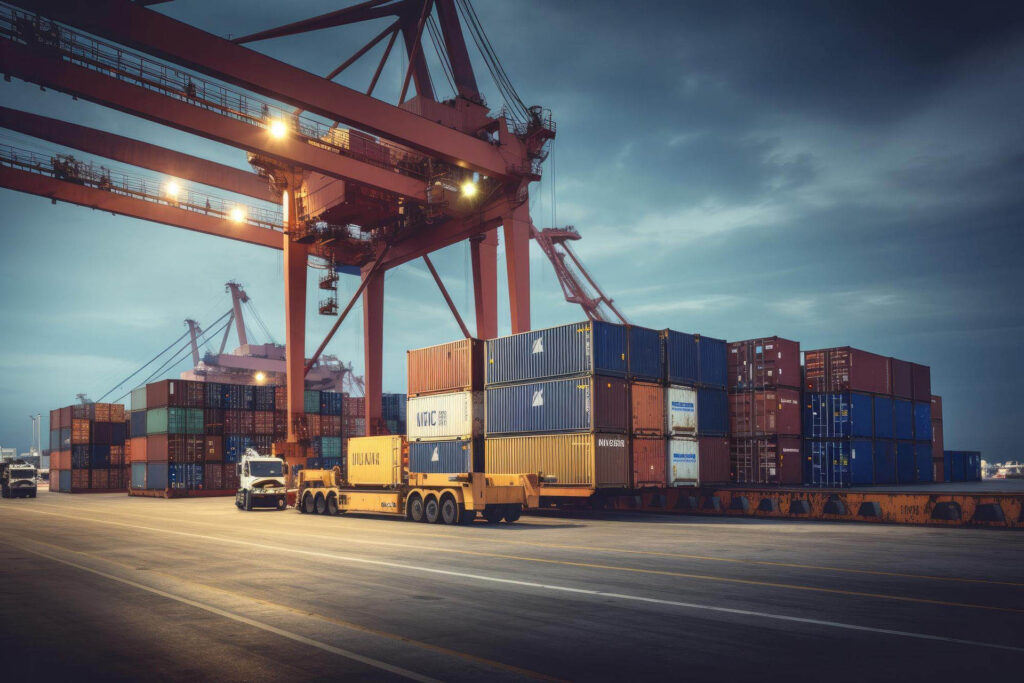
In China, a pilot program launched on January 15, 2024, introduced dedicated high-speed cargo trains operating daily between Chongqing in the southwest and Zhengzhou in central Henan province. Utilizing the Zhengzhou-Chongqing High-speed Railway line, these trains can carry up to 15 metric tons per trip, covering the 1,028-kilometer distance in under five hours. The cargo includes fresh food, biopharmaceuticals, business correspondence, and electronic products.
Russia’s High-Speed Freight Train Testing
Russian Railways (RZD), in collaboration with Russian Post, commenced testing a high-speed freight train service in October 2023. The inaugural journey departed from Vorsino, near Moscow, to the port city of Novorossiysk on the Black Sea. The train, comprising 20 high-speed freight wagons carrying 80 containers, reached speeds up to 140 km/h, completing the route in approximately one day—twice as fast as conventional container trains. Novorossiysk’s status as Russia’s second-largest port, with sea connections to India, the UAE, and Southeast Asia, underscores the international significance of this project.
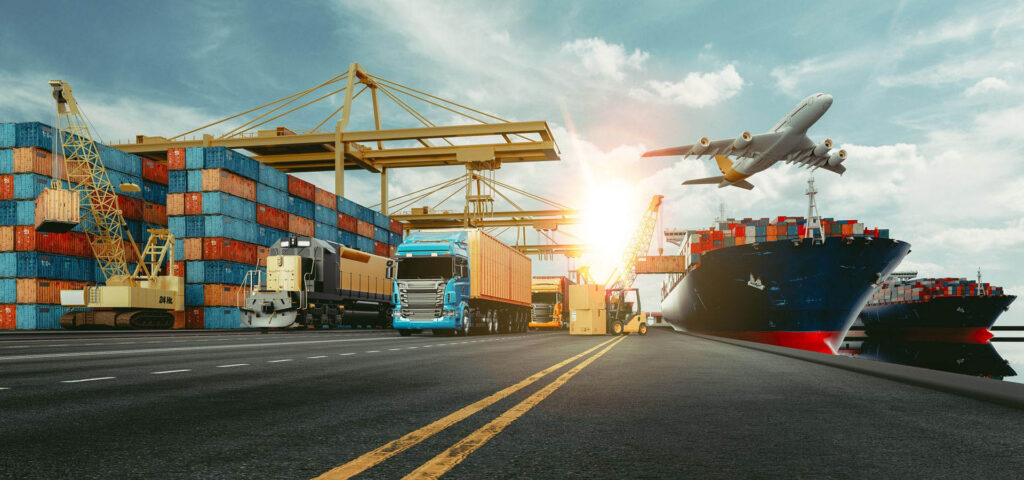
Advancements in autonomous vehicle technology are poised to revolutionize the freight transport sector, valued at $4.6 trillion globally. Companies like Aurora Innovation are developing driverless trucks for freight haulage between Dallas and Houston, equipped with advanced sensors and AI systems aiming for “level 4” autonomy—operation without a human driver in specific areas. Similarly, firms like Einride have fully autonomous trucks operating on public roads in Sweden.